




As primary teachers, we dream of a classroom where students take initiative, know where things belong, and feel confident moving through assigned tasks. And. . . let’s be honest, we also dream of fewer “Where’s my pencil?” and “What do I do now?” moments. The good news? A few simple systems and intentional setup choices can go a long way in helping your students build independence from the very first day of school. Here are some tried-and-true tips to help you design a space and routines that support student independence, confidence, and calm!
Before we dive into my tips for you today, I want to pause and talk about why this is worth the effort on your part. I know you’re busy, but trust me. . . taking just a little bit of time at the beginning of the year to set up your classroom for student independence will pay off big time! It will allow you to stop hovering and giving directions for every task, but best of all, it will support your students in building up their confidence at school! Here are some other benefits to look forward to:

Pretty great, right?! If you’re loving how this sounds, I know you’ll enjoy what I’m sharing today. Let’s get into the 5 functional and realistic tips to make student independence easy in your classroom.
First things first. . . labels! When I say label all the things, I mean it! Your supplies, drawers, cubbies, desks, you name it! Depending on the age of your students, you may also need to include pictures on your labels as well. The more kid-friendly you make your labeling system, the better results you will have. So choose some bright and colorful labels that blend with your personality and will appeal to your kiddos.

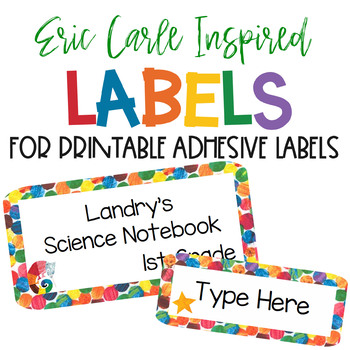
For example, I love using some cheerful Eric Carle-inspired classroom decor pieces in my room to label and make student independence simple. These labels are fantastic for all of our materials and supplies. I also like to use them to label individual student materials, such as pencil boxes and notebooks. It’s great for primary kiddos to practice reading their names, plus it will help you keep track of what belongs to who. These labels fit pre-made Avery stickers and are editable, so they’re super simple to customize and print. Looking for a square label instead? I’ve got you covered with these right here!
At the beginning of the year, it’s also a good idea to label student spaces and cubbies. This will support independence from the moment those kids arrive! These nameplates will allow you to “label” student desks or workspaces and are perfect for reminding your kiddos which area belongs to them. In addition, they include helpful information such as the alphabet, color words, and numbers to further support student independence.
Visual schedules help students understand the flow of the day and prepare for transitions, without having to ask you a hundred times. Taking some time to create a visual schedule and update it from time to time can be incredibly helpful when it comes to supporting student independence! Not to mention, this can also be super useful when it comes to telling time! Here are some tips for you:

Using a visual schedule builds predictability and reduces anxiety, especially for younger learners or students with special needs. Beyond these incredible benefits, I just love watching my students become independent with the schedule! Before you know it, they will be checking it and talking amongst themselves about the next item coming down the line!

Center time is perhaps the first thing that comes to mind when we consider how to support student independence. During this part of the day, students will move from one activity to another based on the expectations that you have set. This is also typically when teachers will facilitate small groups, as it allows us to interact with fewer kids while the others are in specific centers. I’m sure you can imagine why student independence is vital for this part of the day!
So, all of that being said, you’re going to want to make sure you teach your students how to use centers and how to rotate. Every classroom is different, so it’s up to you to decide if you’ll use a timer and rotate in a clockwise fashion, allow students an opportunity to choose centers, or assign centers. In my room, students move through centers that are assigned. They won’t do every center each day, but they will get through all the centers before they are changed out for new ones. Teaching this was one of the very first things I did before we started rotating through centers.
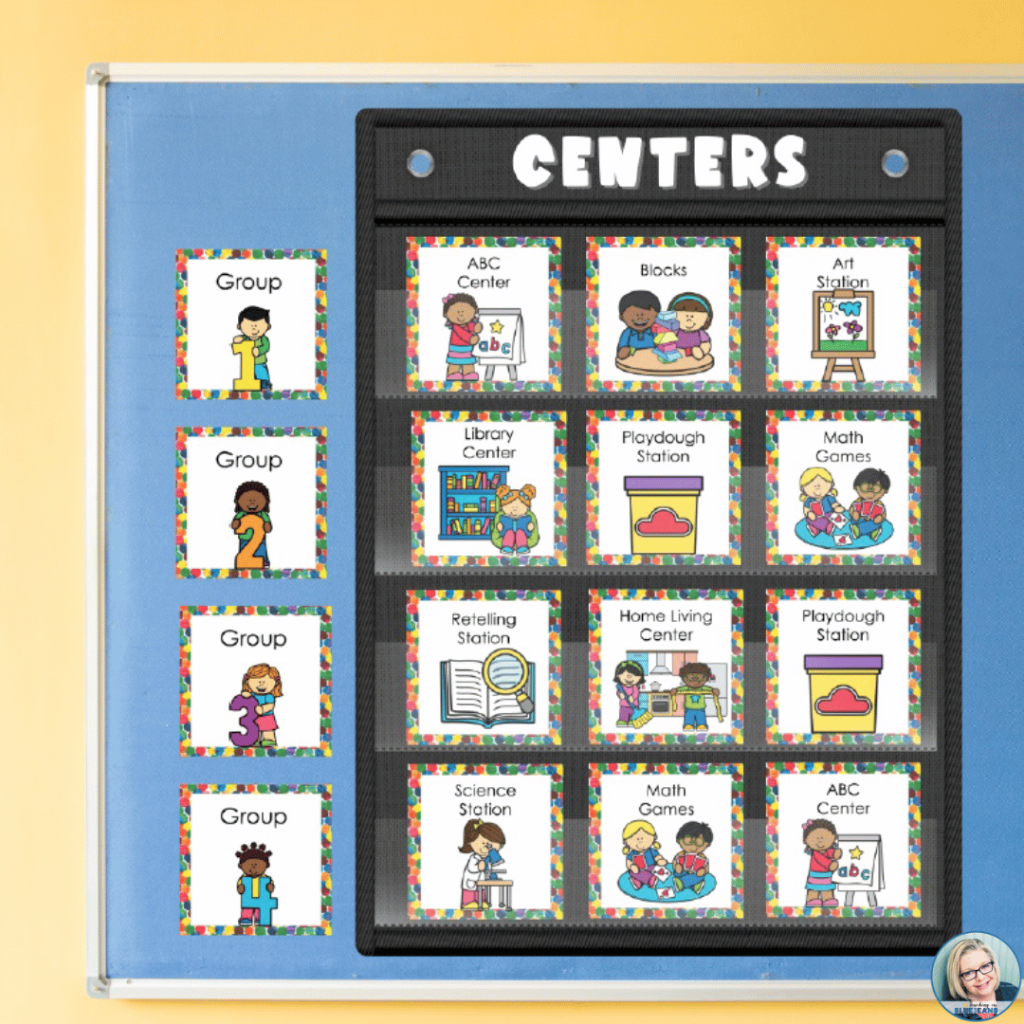
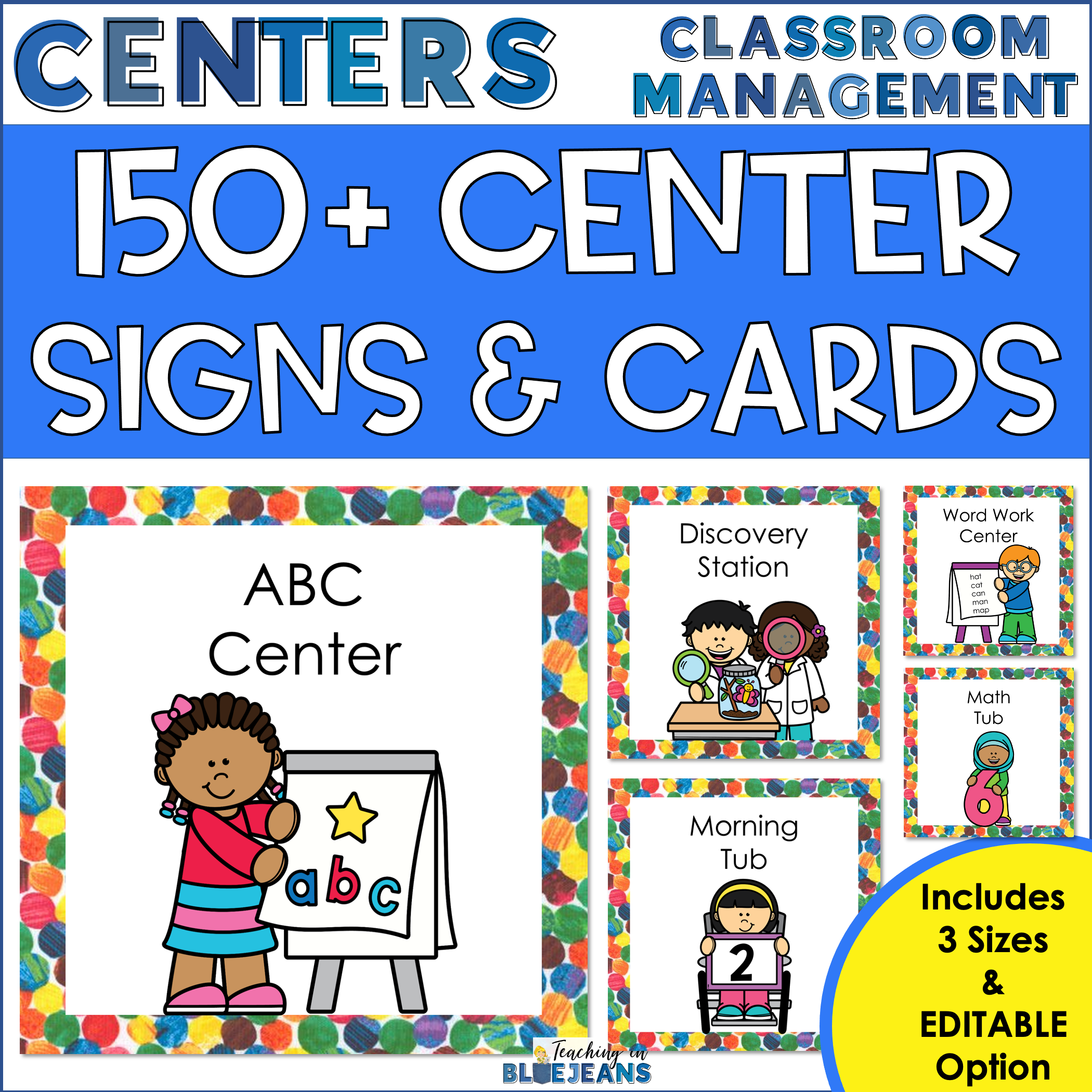
So, how do we make center time easier? With a great system, of course! When it comes to center time, I like having options! That’s why I created this GIANT set of classroom center signs. There are over 150 pre-made options, 3 sizes to choose from, and editable features. This is so great because it allows you to use the center signs and labels in a variety of ways. The large size is perfect for labeling the center itself. The medium and small sizes are perfect for labeling bins, baskets, and buckets that hold supplies. Oh, and you can also use these cards to create a matching center rotation board! This will make supporting student independence during centers simple and easy.
I suggest creating a rotation board or pocket chart for center time at the beginning of the school year and having some time in your schedule allotted to practicing each of the 3 ways to run centers that I mentioned above. Have “mock” center time when everyone sits down in an area for just a minute or two, allow a timer to go off, and then practice moving to the next one. I know, this is basic – but you’re going to be SO glad you took the time to do this. This is a great time to remind students to clean up materials, use walking feet when rotating, and leave the center as they found it, too!
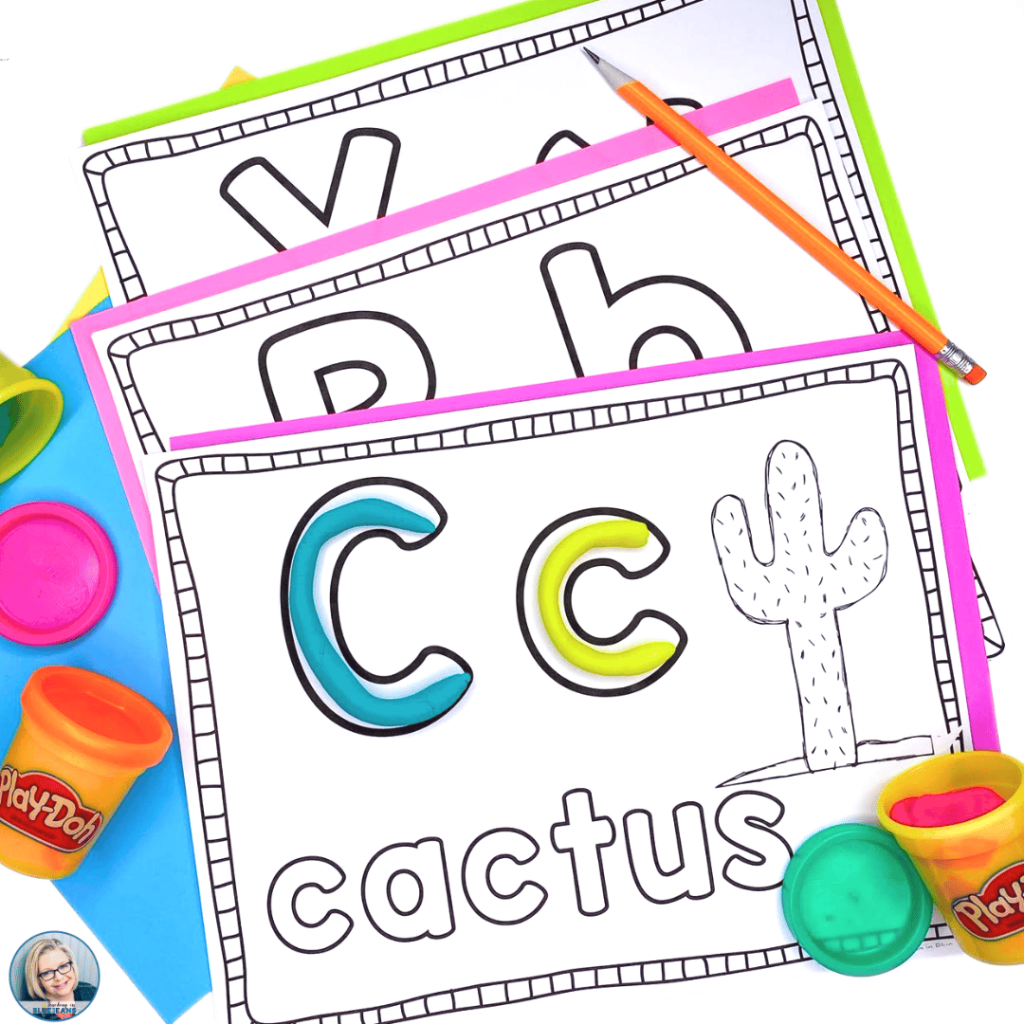
Early finishers can either be a golden opportunity to facilitate student independence or a classroom management nightmare. What happens depends on your plan to handle them! Take a lesson from me, and make sure you create an “early finisher” station before the school year kicks off. There will always be students finishing at different times, and this will truly save your sanity! Not to mention, it helps keep kids on task and ensures everyone has something to work on. Here are some simple activity ideas to get you started:
Now, keep in mind, this doesn’t have to be fancy or time-consuming to set up. Simply aim to create an area with clearly marked options that students can access without needing your help. I like to use rolling drawer carts like this. I number the drawers and let the kids know they are free to choose from any of them if they finish early. They choose an activity and take it to their desk or an early finisher workstation. When it’s time to move on, they place what they were working on in their work file to finish later.
It’s a good idea to make sure that anything in these bins would be considered a review for everyone in your class. Don’t choose skills or activities that haven’t been taught yet, or are too advanced for some learners. We’re shooting for student independence here, not frustration! Instead of tossing extra copies of activities, add them to your early finisher area. Oh, and be sure to switch these activities out to ensure that you’re keeping them interesting for your students!

Classroom jobs give kids a sense of responsibility and ownership in the classroom. Even young children in pre-k or kindergarten can be successful with student jobs! It helps build classroom community and support student independence in a fun way.
To get started with classroom jobs, decide what tasks could be assigned in your classroom. This Eric Carle Inspired Classroom Job Resource will help you set up and facilitate classroom jobs with ease. Not sure where to start? It includes 101 jobs to choose from! It also includes editable student name tags so that you can create a job rotation board.
Here are some important tips for making this work in your classroom:
I can’t wait for you to see your kids light up with excitement when it comes to classroom jobs! These small responsibilities reinforce that this is their space to take care of and will make your classroom feel like a cozy little community.
Even the most beautiful system won’t work if students don’t know how to use it. The key is ample modeling, visual support, and lots of practice. Think of it like training wheels, your goal is to gradually release control and cheer them on as they take the wheel. But, in order to get there, you will need plenty of patience and practice along the way!
So, take it slowly and have fun with this process. Teaching student independence doesn’t need to be frustrating! Just make sure you go in with a plan and prepare to provide support along the way. Oh, and don’t forget – you can find all of the amazing resources I mentioned here in my TPT Store. I know they will make your journey toward student independence so much easier!
Check out these classroom management posts next for more tips!
Make sure to pin this post on Pinterest to keep these ideas for supporting student independence handy!