

I still vividly remember the year I changed from third grade to kindergarten. I jumped into my new adventure with two feet ready to instill knowledge in my new class of twenty-two 5 and 6-year-olds. I’d found some amazing resources and we were ready to sing, dance, and play our way through kindergarten. My goal was to teach my students as much academic knowledge as I could and send them to 1st grade at the highest level they could be. Not a bad goal, I’d say. I loved every minute of it. However, at one point, something happened that made me adjust my thinking as a teacher. Yes, I’m still about teaching academics and challenging my kids to reach their highest potential, but I also carve out time in our day for experiential learning activities.
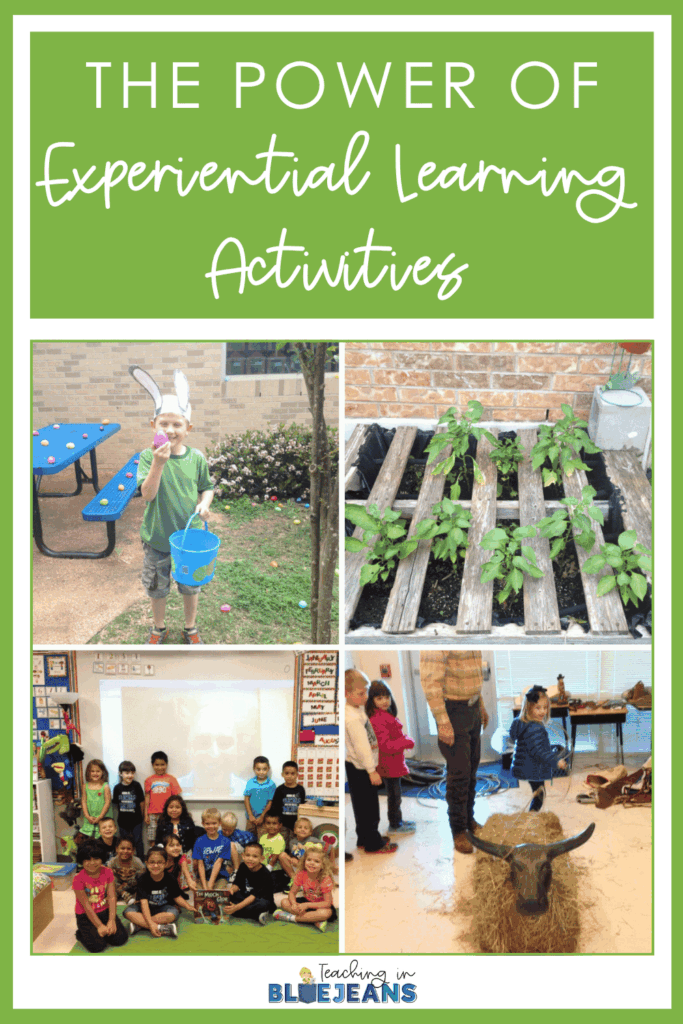
Let me take you back to Easter week 2013. I reluctantly agreed to try making confetti eggs with my students. In my head, I saw a mess, but I was willing to try anyway. Instead of undertaking this “mess” whole group, I decided to work in groups of 2-3 students as we dyed the eggs and filled them with confetti.
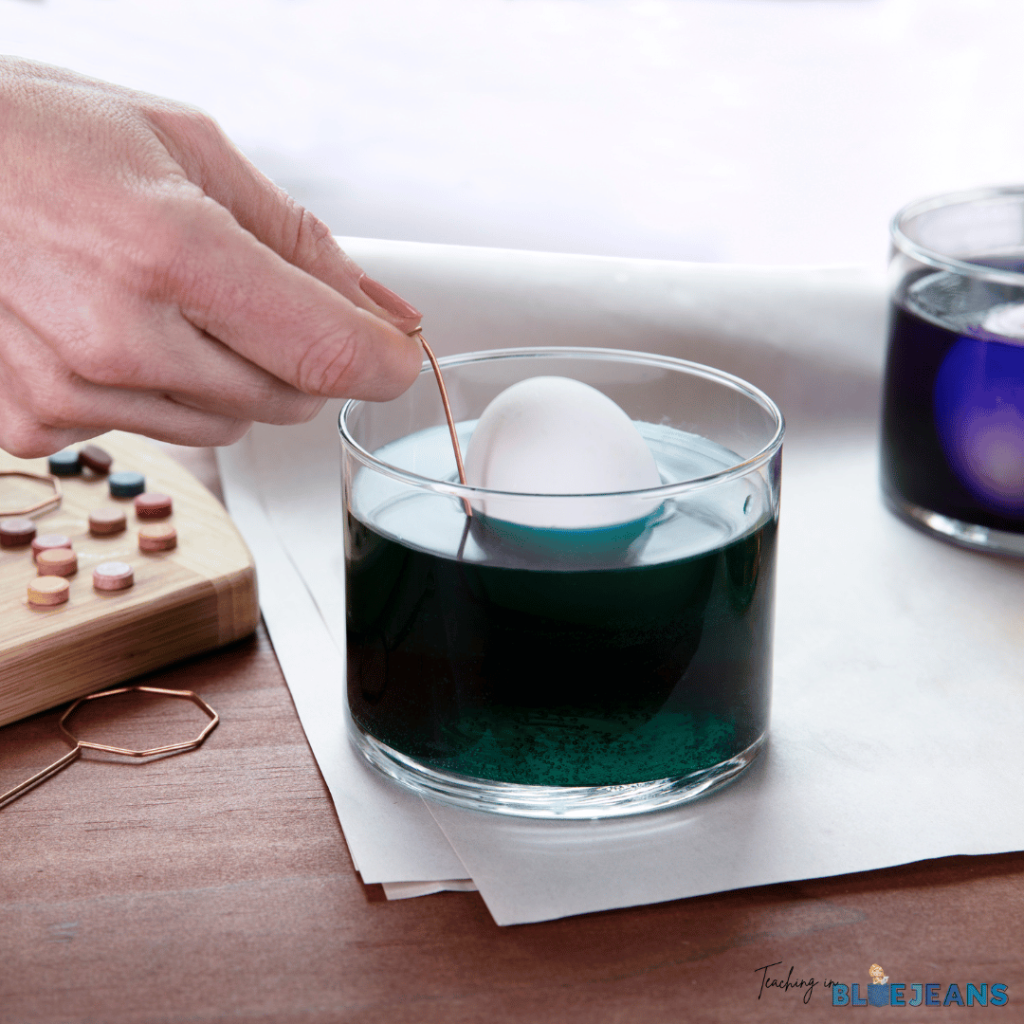
During the egg-dying process, I was working with a student, let’s call him Sam. What you need to understand about Sam is that he is brilliant. He is a super-smart kid who was reading off the charts and doing multiplication in kindergarten. As Sam sat with me on the floor, he tentatively placed his egg in the cup of blue dye. After a minute or so, he pulled it out and that is when I saw it . . . a look of amazement. Sam, could not believe that the egg was now blue! He even whispered to me “It’s blue!” It was in that moment that I realized Sam had never dyed Easter eggs before.
The thought made me sad. I learned that there were more students in my class who had never done this before either. It wasn’t just Sam. It was at this time that I decided we had to do some things just for the experience. In other words, I decided to prioritize experiential learning.
I’ve decided that I can’t control what my kids learn, do, or are exposed to at home. But – I can when they are in my classroom. And so I ended last year looking for ways to give my students the power of experience. I spent my summer thinking of ways to give my kids new experiences, and I continue to look for these opportunities even today. So what does this look like? Well, sometimes it is a mess. And this is especially true in kindergarten! Although we made it through the egg dying without too much of a problem, the confetti stuffing was messy but worth it!
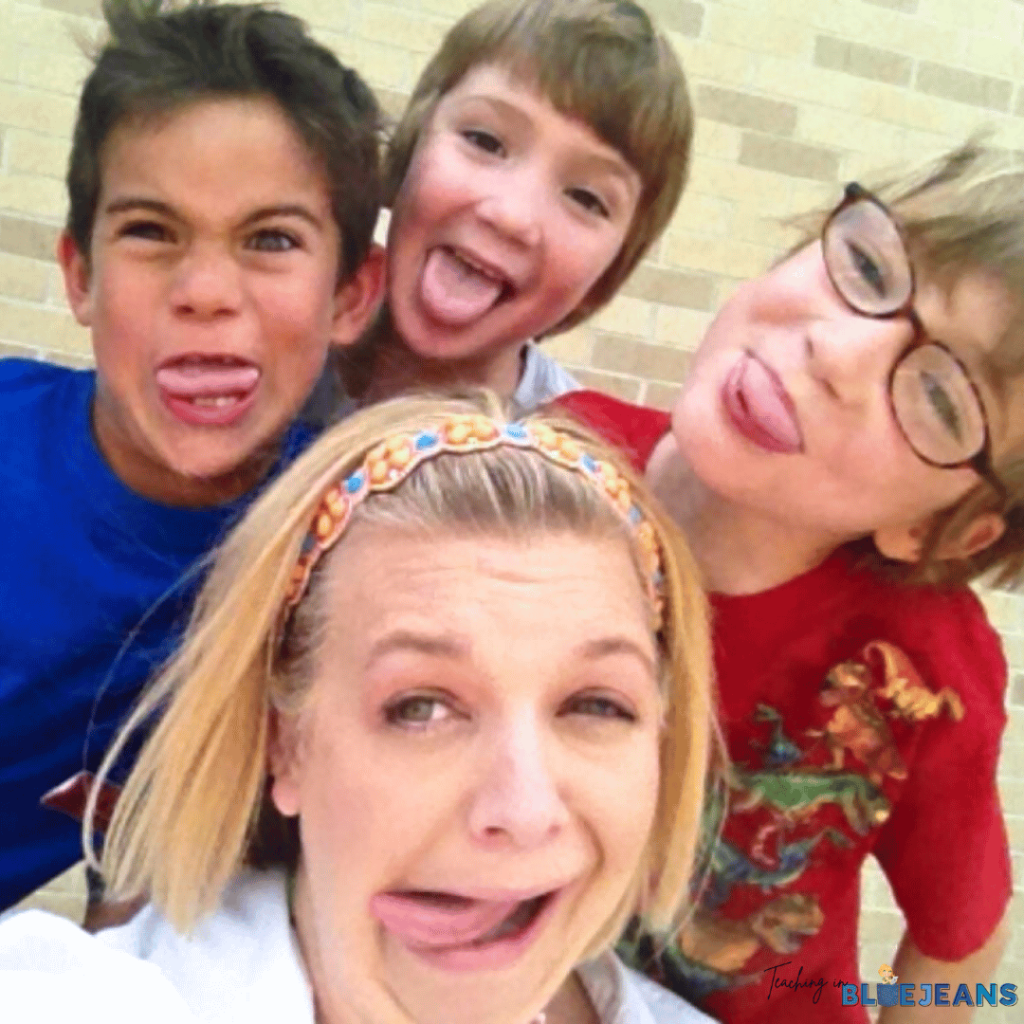
Sometimes an experiential learning activity is just me interacting with my students and being silly. You know, some kids have never seen an adult just be silly and have fun! Life is pretty great – even when you are an adult and I want my kids to see that in me. Other times, it takes more planning. I knew that my kids would be exposed to lots of great books, but what about a real author? So I looked around and asked, and that year my students were able to interact with authors in person and via Skype. You never know what can happen when you ask, right?!
And as crazy as it sounds, we even had Camping World come to visit our school with an RV. This was part of our study of winter adaptations. As we talked about animals migrating, we also realized that people migrate too! We learned about people from “up north” coming to Texas to make it home for the winter. Most of my students will never have the opportunity to camp or travel in an RV, and probably never even go in one. So, why not? It sure was a hit with the kids!
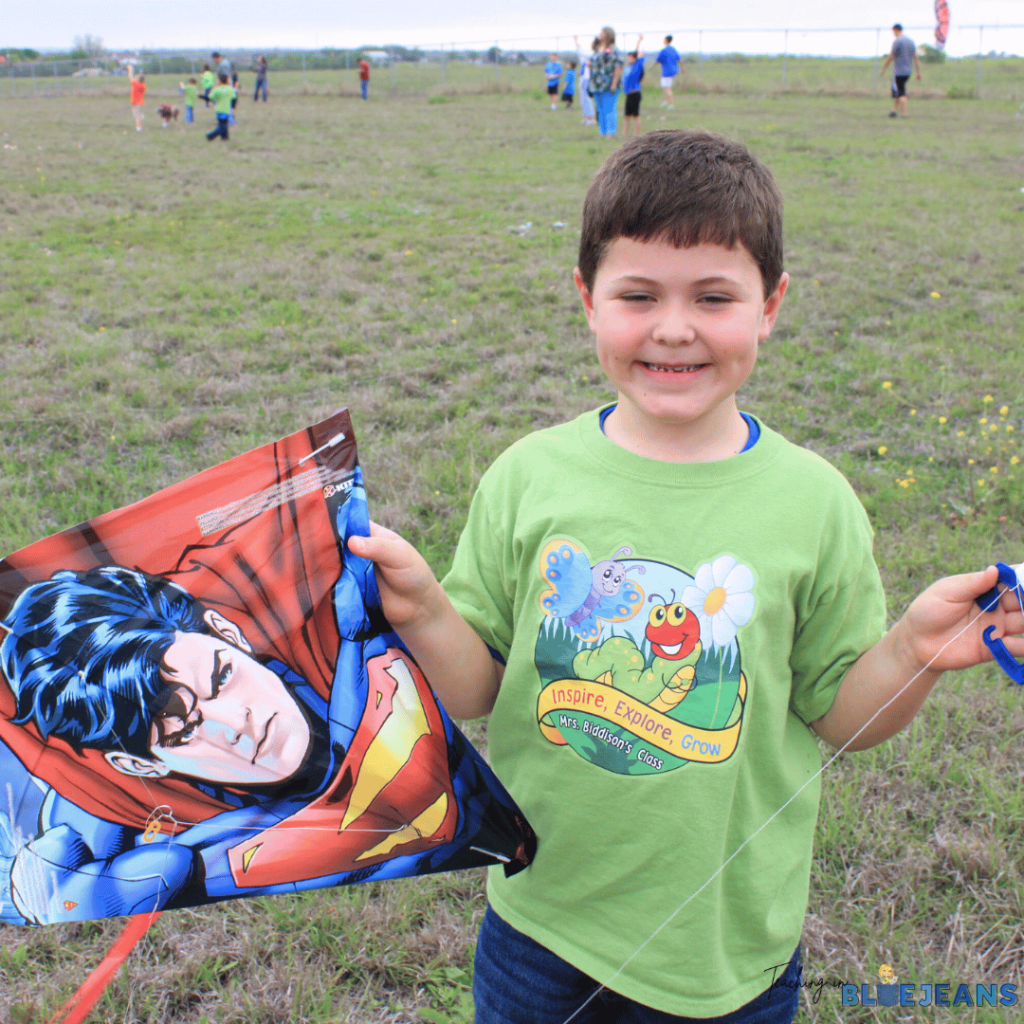
Not convinced that there are enough hours in the day to have experiences? As a former 3rd grade teacher, let me throw this idea out there… Students who have experience with something can better comprehend a reading passage on the subject, make connections, infer, and just wrap their heads around an idea. It sure is a lot easier to figure out a math problem when you know what they are talking about! All I can say is that I sure hope when these kiddos hit their state testing days they see a reading passage on RVs or a math problem about dying eggs!
But in all seriousness, I would argue you can’t afford NOT to include opportunities for experiential learning. The things you will witness your students learn along the way with every new experience are incredible. They’ll make connections you weren’t anticipating. They’ll ask questions you weren’t expecting. And best of all, you will awaken a hunger in them to learn more. And that’s the goal, isn’t it? As teachers, I truly believe we owe it to our kids to give them our absolute best. And as I have used many different experiences in my room over the last year, I have to say – it’s worth it!
Ok, ok, so you’re ready to give this a shot. Where the heck do you even start?! Don’t worry teacher friend, I’ve got your back. In addition to the experiences I mentioned above, here are a few of the ones my class has used and some tips to try them yourself!
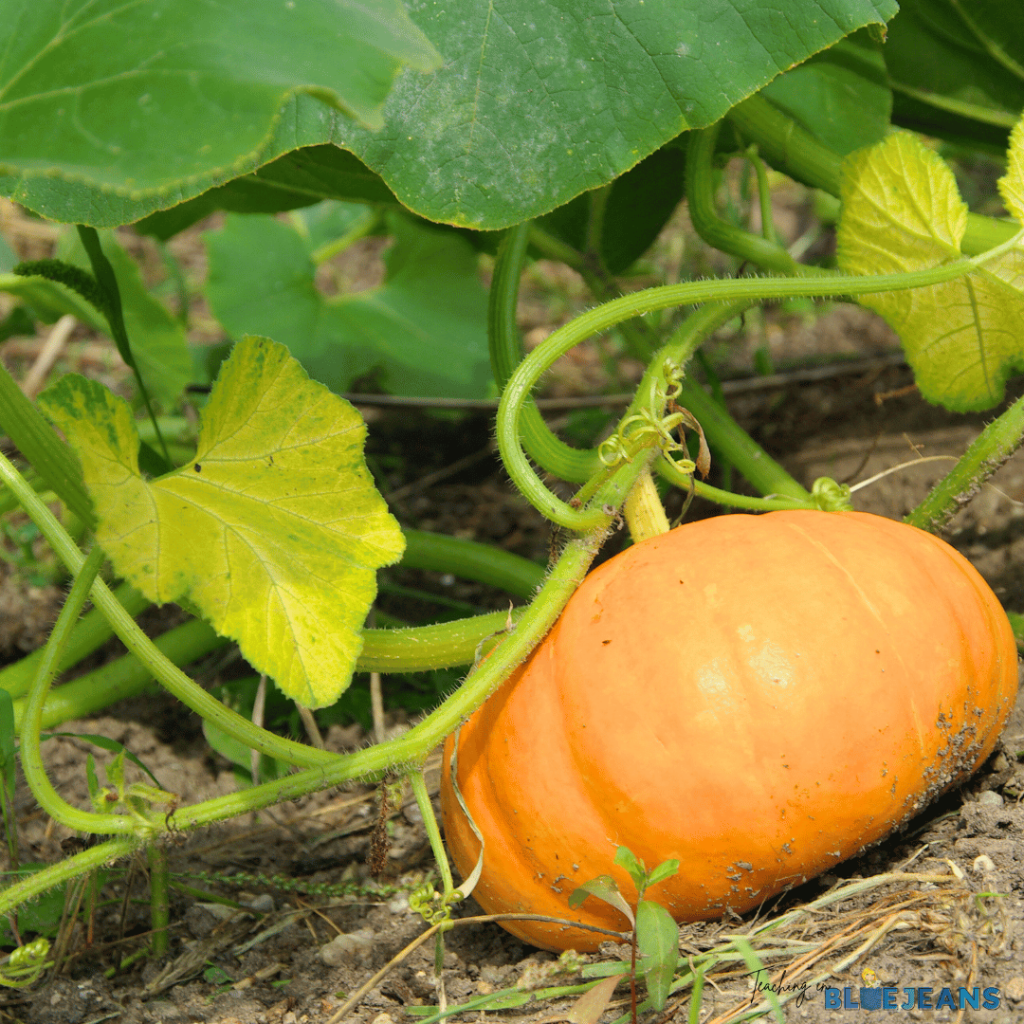
This is among my absolute favorites on the list because it’s something any teacher can do, no matter how small your classroom or budget! In my room, we used an old pallet that I filled with inexpensive soil and cheap seeds purchased in the summertime. You can get these for under a buck – so keep your eye out! Where you live will impact how and when you plant your seeds, but as a general rule of thumb, it’s nice to plant in the fall or spring.
In my classroom, we planted pumpkins as soon as school started. I made sure to buy seeds that were fast-producing and got them planted right away so we’d have enough time to watch them grow. I live in Texas, so it’s plenty hot in the fall for growing plants! As the pumpkins grew, we also used learning materials like the ones in this resource to talk about what was happening to our little seeds buried deep in the dirt. We read about the pumpkin life cycle, how they grow, and what they are used for. This topic will always be a favorite of mine and my students loved it too!
After they were fully grown, we harvested our pumpkins and did an exploration of those ooey-gooey pumpkin insides! This activity was a two-for-one since my kids learned about gardening and the pumpkin life cycle. My kids loved this activity so much, that we ended up planting peppers and tomatoes in the spring, just to practice tending to more plants together as a group!
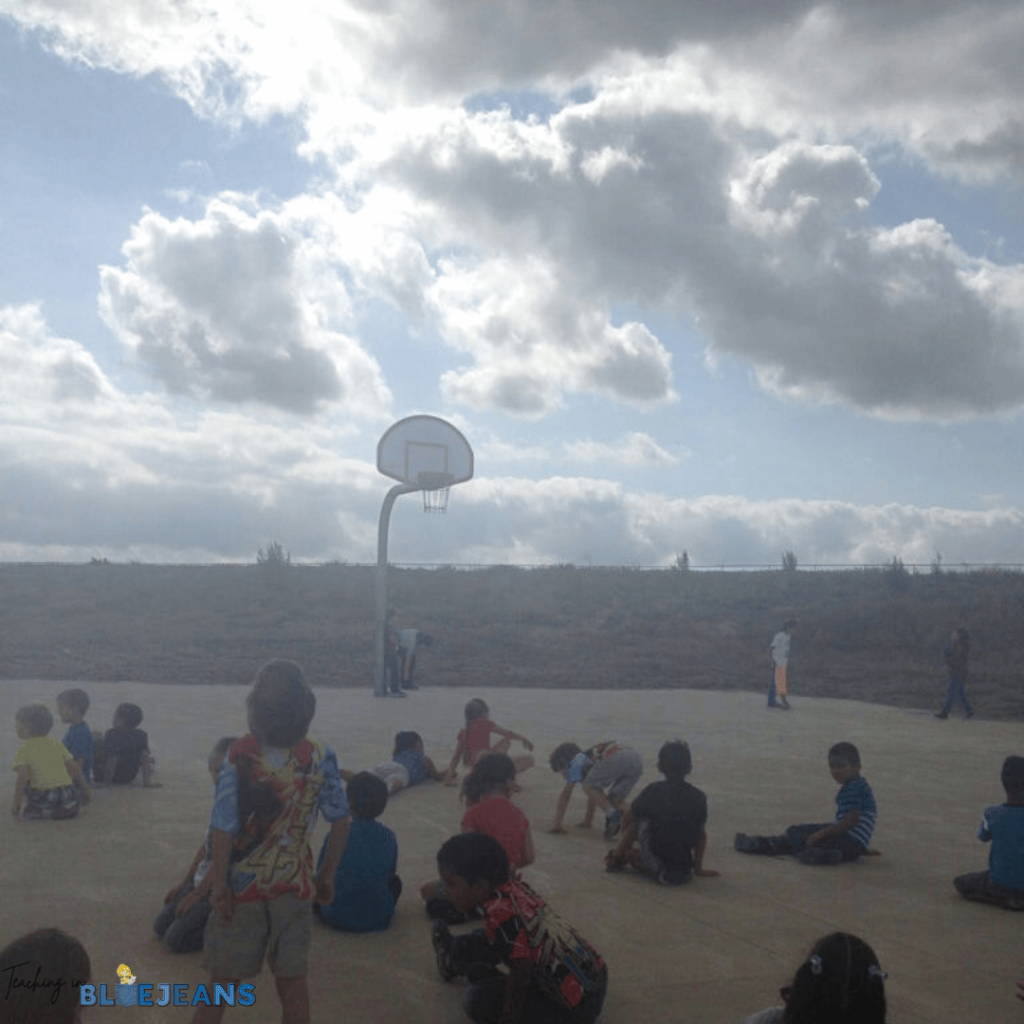
While some of the experiences I used took more effort and planning, like a garden, many of them were spur-of-the-moment experiential learning activities. For example, watching the clouds. Have you ever sat outside with your students and simply watched the clouds?
This is an incredible experience for you and your students and will leave you all with plenty to talk about. We ventured outside one day to do this when the clouds were simply too good to miss! Afterward, we spent some time talking about what we saw, reading books about cloud formation, and making anchor charts with cloud types. We even did a writing about what we saw in the clouds. This is a great activity to accompany the book It Looks Like Spilt Milk by Charles Shaw.
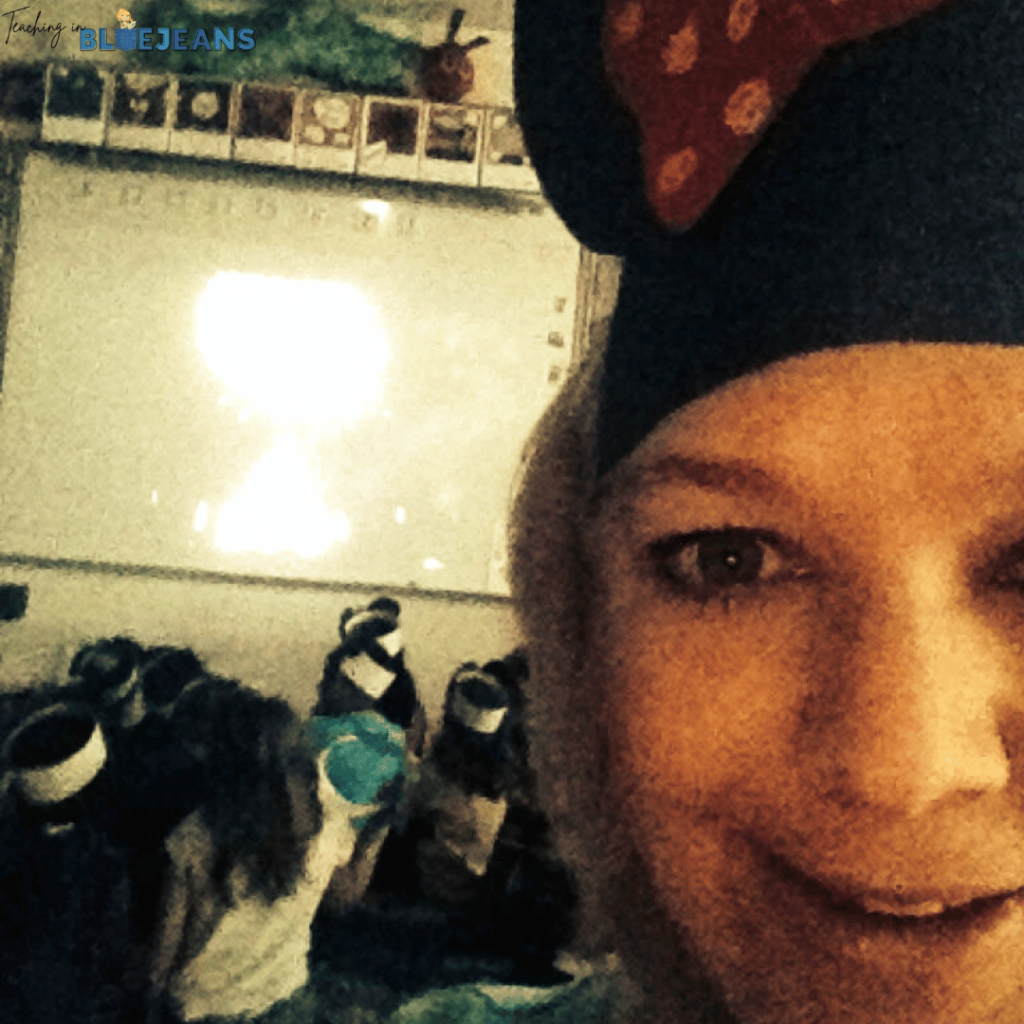
Many students will never get to experience going on a faraway trip somewhere like Disney World. This was certainly true in my little school in Texas. So what did we do? Take a virtual field trip of course! This was a student favorite and pretty easy for me to organize. I collected some videos of Disney World (pre-screened of course) to play in a slideshow. Now there are even full documentaries with a sneak peek inside Disney on streaming apps like Disney+.
For this particular “field trip”, I wore some Minnie Ears and had my students make hats with ears of their own. Before arriving at Disney World we had to get there. So we set our chairs up in rows like an airplane and “flew” together as a class. It’s amazing what you can find online and a video of flying was all we needed to make this a special event. The kids loved take-off and landing the most.
Once we arrived we headed straight to the park for lots of fun. We watched the videos in our mouse ear hats and even ate popcorn as a special treat. This is an excellent experience to save for Fun Friday or instead of a classroom party!
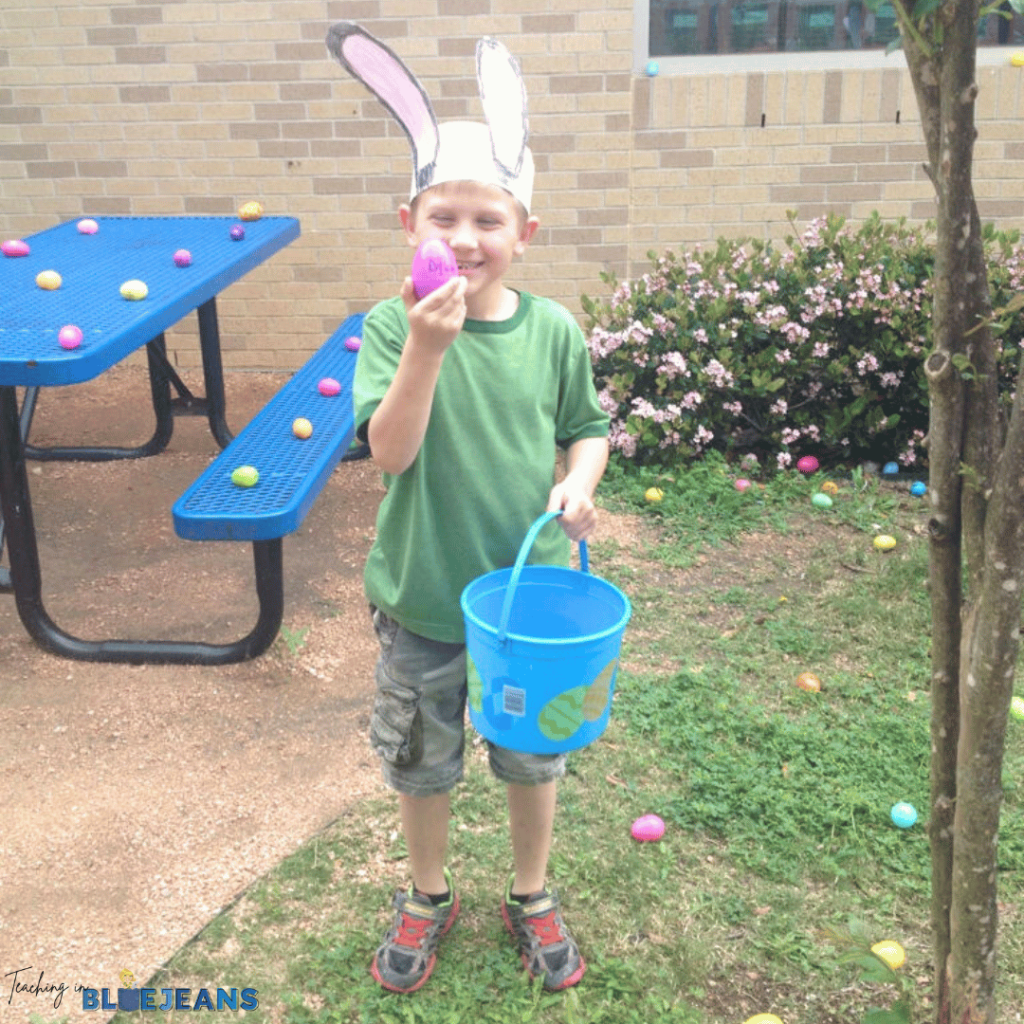
Speaking of parties, have you ever hosted an Easter Egg hunt with your kids? Many children don’t do this at home with their families and will be absolutely over the moon to give this a try in your classroom. I liked to go all out when we did this. With the help of parents, we had lots of plastic eggs filled with small trinkets or goodies. A few years students were asked to bring a bucket or basket and other years we made something out of a paper bag. I say do what you can at the time.
Then, spend your morning dying real eggs, making bunny hats, and any other festive Easter activities you can think of. Ask a parent helper to hide your eggs (or do it while the kids are at specials) and then send your kids out for a hunt.
The first time I did this it was “fun and done” in like 30 seconds. So after that, I made it a little more challenging. When the eggs came in I labeled them with names, letters, and numbers. Each student had to find 3 eggs with their name, the letters to spell a secret word, and numbers 1 – 10. I change the word depending on how many eggs we have – but words like EASTER, BUNNY, and HOP are great options. This turned the egg hunt into a challenge with a little academic review too! I make a simple scavenger hunt style list and students mark off each egg as they find them.
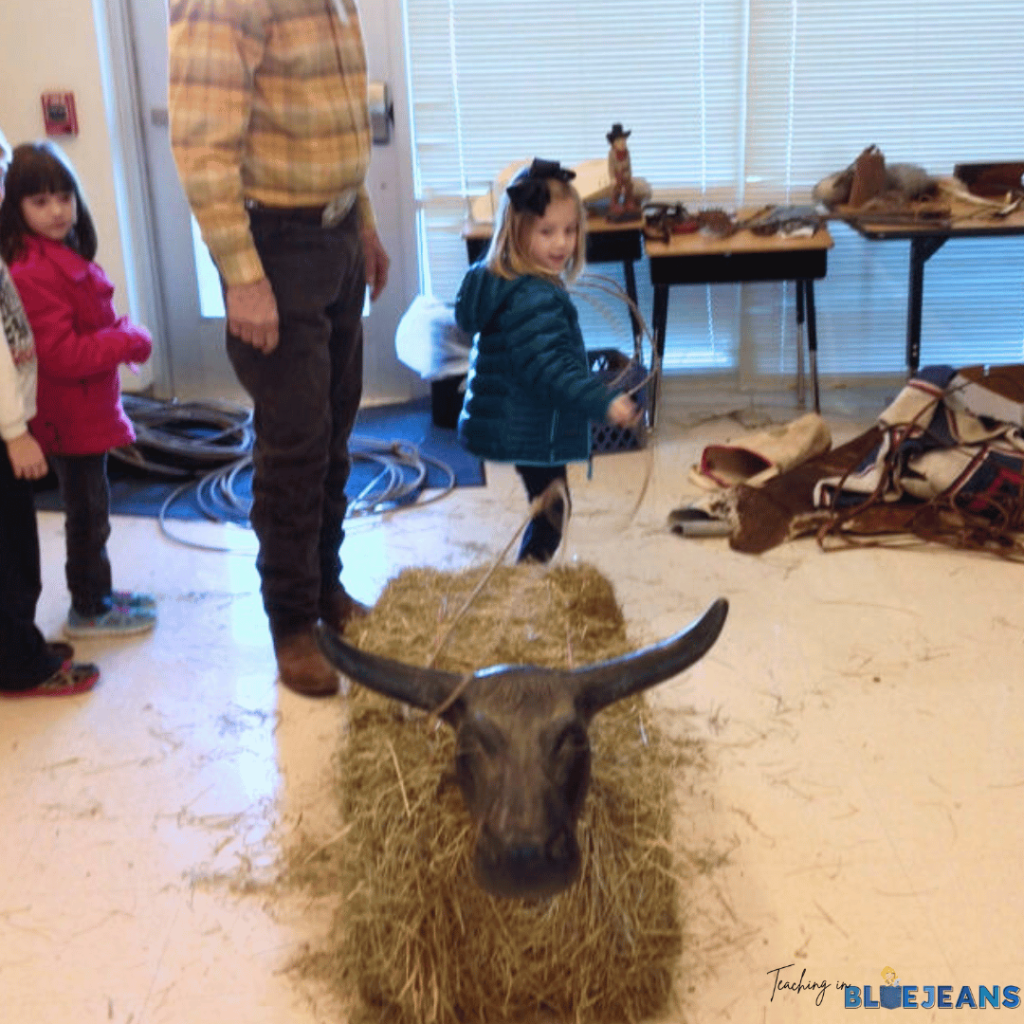
Cowboys and Texas go hand in hand. Each year during our Texas unit we learn about cowboys. So what better experience than to teach kids what it is like to be a cowboy? I realize not everyone has access to their own “Cowboy”, but I’m going to throw this experiential learning activity out there as an example of how you can add experiential learning to any unit.
My Dad came to the school each year when we were working on our Texas unit to be our resident cowboy. In real life, he is not a working cowboy, but we did have a hobby farm/ranch and access to all.the.things. He would bring in different supplies and tools and talk about what cowboys do. Then students would have a chance to try out being a cowboy by riding the horse (aka sawhorse with a saddle on it) and and learning how to use a lasso. They loved sitting on the “horse” as well as trying to rope some cattle themselves.
You may not need a cowboy experience where you live, but chances are there is something specific to your state or one of your units where you can tap into your community to help bring the subject alive for your students. That is what experiential learning is all about.
Another great experiential learning activity to weave into your curriculum is cooking, or “no-cook”, projects. This is an easy one to tie into just about anything you’re studying and is sure to be a big hit! I liked to stick with no-cook, microwave/crockpot recipes or things that only required refrigeration to set. Jello, pudding, snack mixes, hot cocoa, layered desserts (like dirt cups), snack plates, and mini sandwiches are fun ideas to try!
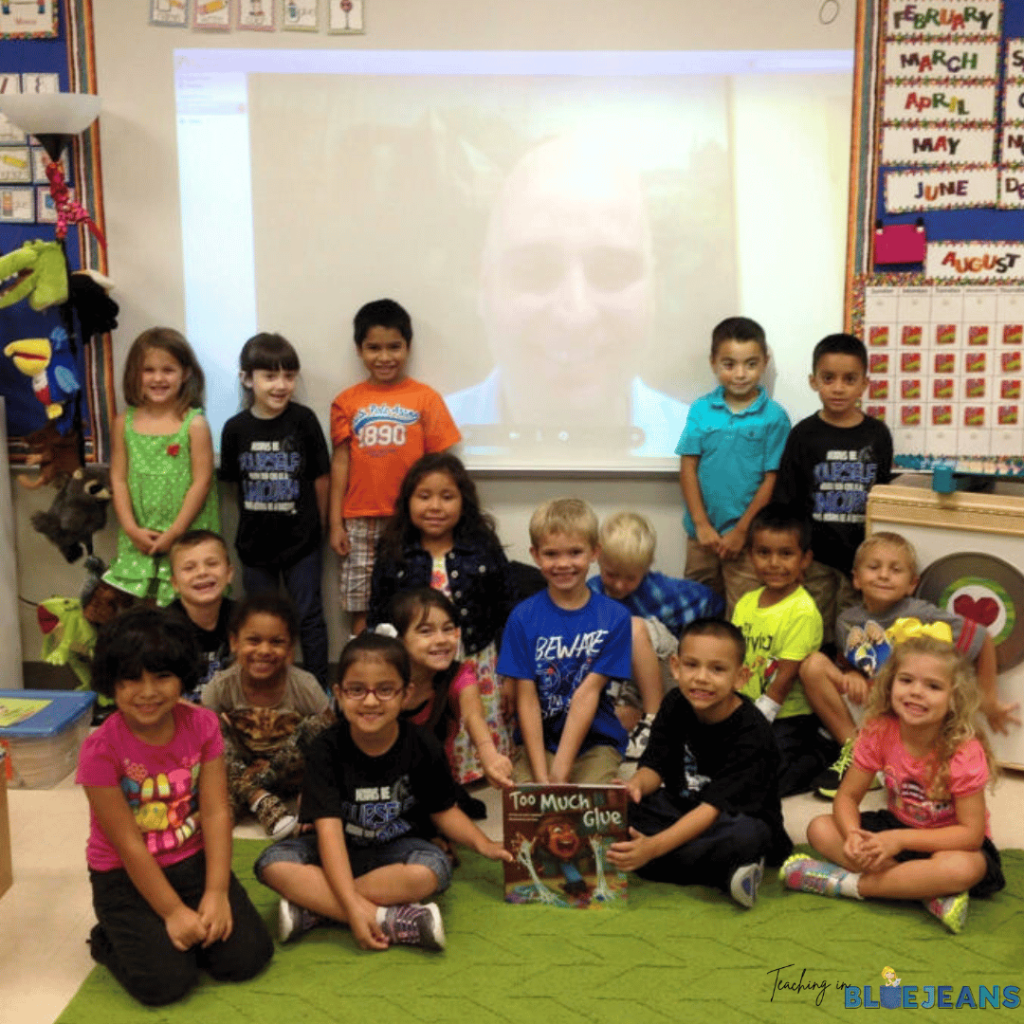
As I mentioned above, we were able to Skype with an author, and later I was even able to get one to come to our class and read to the children. Any “expert” you can find on a specific topic would be a fun experience for your kids.
As a bonus, you won’t even need to leave your classroom in most cases since they’ll often come to you! We had a visit from a carpenter, authors, and even once did a video conference with NASA! The sky is the limit with this idea, friends!
Technology makes it easier than ever to learn from experts. Sometimes all you have to do is ask!
Ahhh, classroom pets. You either love them or hate them. I know that having a classroom pet means you will often have a bit more work on your plate, but if you’re willing to take it on, I highly recommend this for experiential learning! Over the years, I have had fish, frogs, and a hamster as a class pet. Not only do the students get involved in taking care of the animal, but we also connect it to some learning too.
Whatever animal we have, I grab a small stuffed animal that matches. The stuffed animal gets paired with a composition book and students take turns taking the stuffed animal and notebook home with them for a week at a time. They have lots of fun “adventures” at home and write about them or add pictures in the notebook. They bring the notebook and stuffed animal back on Friday and they get to share about their adventures. It’s one of the students’ favorite class traditions!
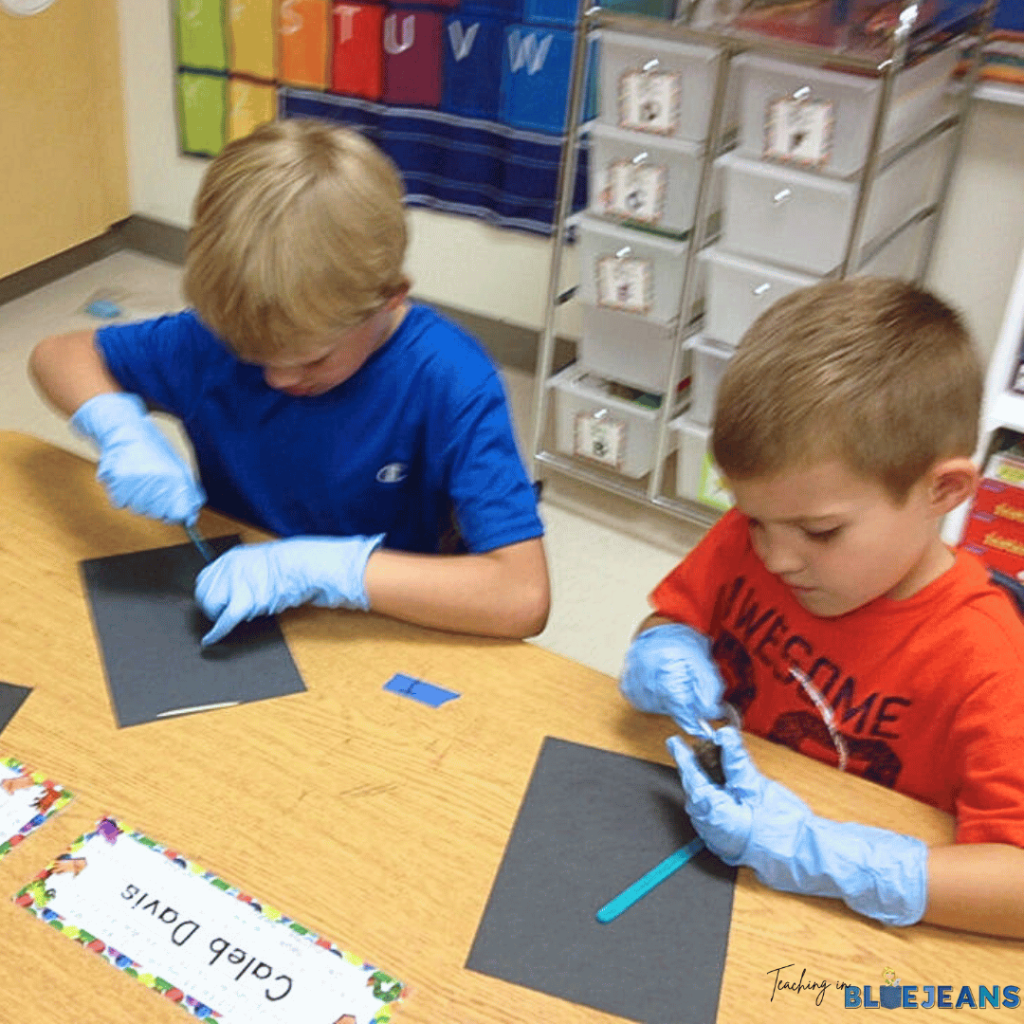
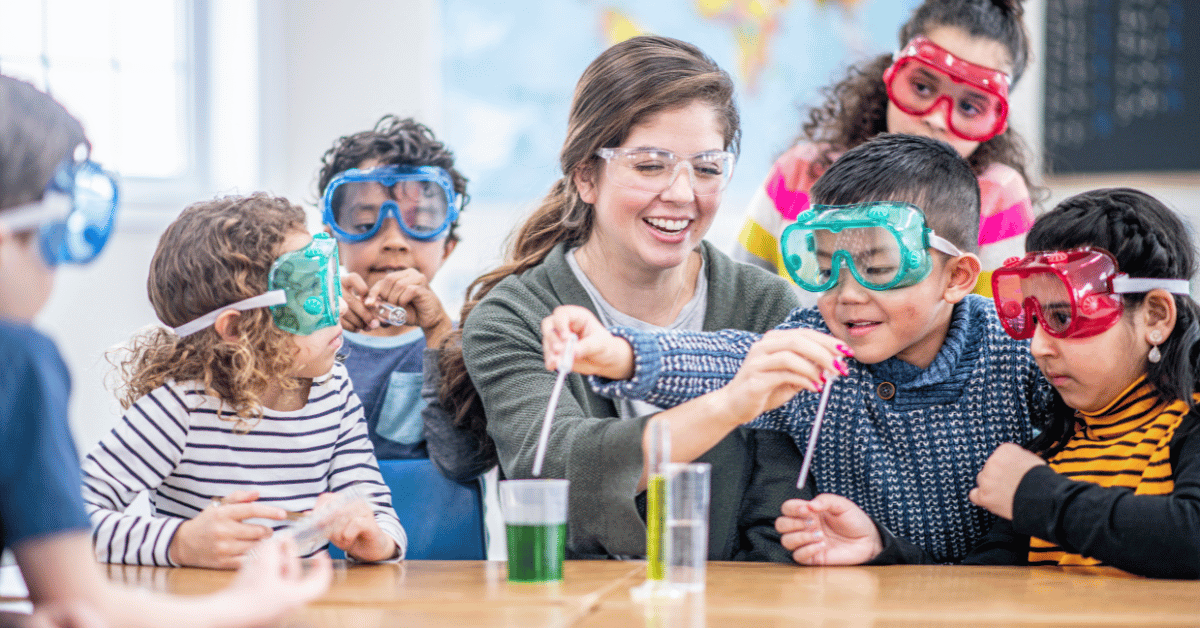
Last on this list, is one of my kids’ favorites. . . science! I love teaching students about different topics and encouraging them to explore like a scientist. One time, we dissected owl pellets like scientists. I explained to the children why this is done and what we could learn from the pellets.
In the spring, we connect with our local ag cooperative to hatch chicks in the classroom. There’s no better way to see the lifecycle of a chick in action than to watch it in person. Here’s a video of a chick hatching in our classroom.
Rocks are another interesting topic to explore with your students. We used the readers and activities in this unit to learn all about them. Then we collected some rocks around the school and used them in an activity focused on weight. These types of activities are always a lot of fun in the primary classroom!
So what do you think, friend? Pretty cool stuff, right? And many of these ideas are totally doable with just a little time and creative planning! I hope that you’ll give experiential learning a try in your room and make room for some incredible experiences! I know once you get started, you’ll be hooked too!
This post has tons of great experiences you can use in your classroom! Pin it to keep track of them all.