



Self-control is such a hard thing for kids and adults alike, but helping our kids learn the importance of this skill early on will only help them. But. . . self-control can be a difficult concept for kids to understand. I have found that using demonstrations to explain concepts like this can be effective for young learners. Today I’m sharing an activity you can use in your classroom or at home to help teach the importance of self-control.
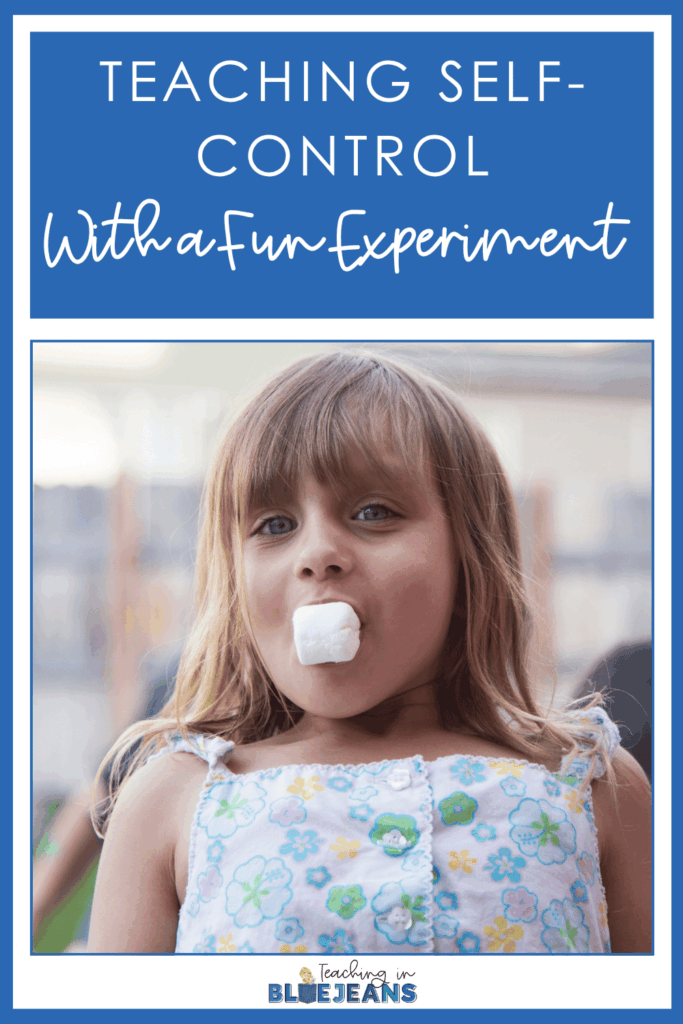
Although not in the curriculum, helping our students develop more self-control will reap huge rewards during the school year and throughout their lives. One simple (and deliciously fun!) way to help children recognize and practice self-control is The Marshmallow Test.

The Marshmallow Test was inspired by Stanford University’s famous “Marshmallow Experiment” conducted by Walter Mischel.
It was originally designed to study the characteristics of children who could delay gratification. In that original experiment, children were left alone with the marshmallow in a room with little distractions.
In follow-up studies, the children who were able to wait longer were generally more successful later in life. You can learn more about the Stanford Marshmallow Experiment here.
While not scientific, we can recreate the Marshmallow Experiment on a smaller scale in our own classrooms or homes. It’s really easy to do, yet it can have really powerful outcomes. It’s one of the best ways I’ve seen for teaching self-control.
Here’s what you need to do:

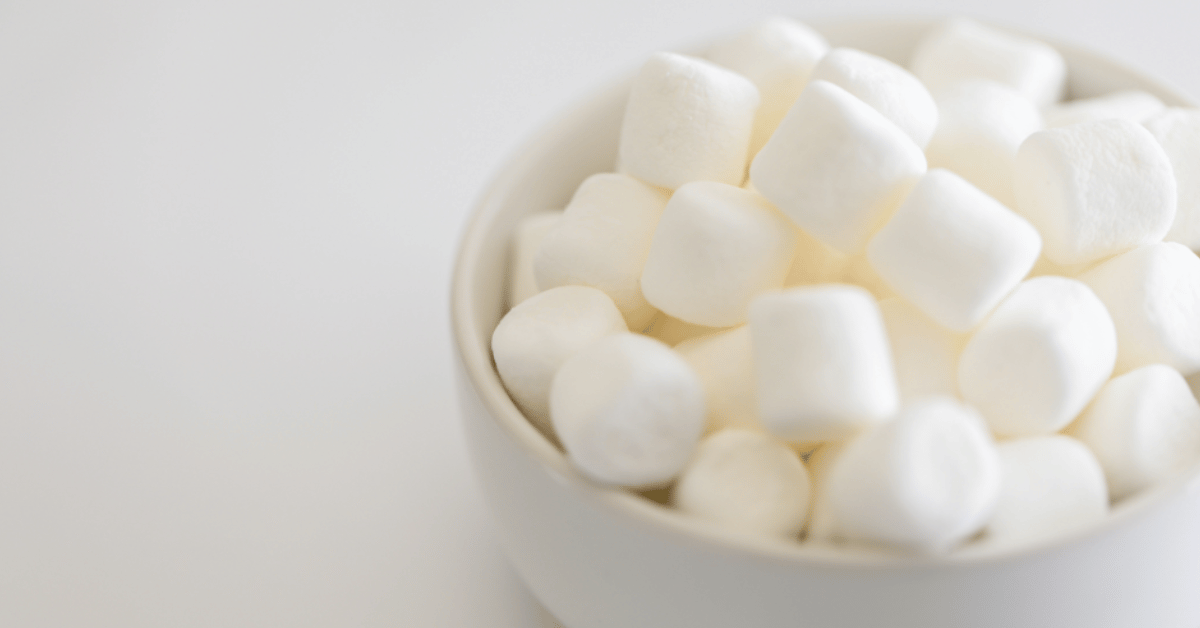
For this experiment, you will need enough marshmallows for each child to have 2. I always opt for the Jet-Puffed Jumbos – and really play up the fact that I “splurged” on buying them the best, most tasty marshmallows I could find. You can also substitute another kid favorite treat too. A cookie or small piece of candy works equally well.
I usually say something like, “I’m going to give each of you a delicious marshmallow to eat. Mmmm….doesn’t that sound great? Here’s the deal. You can eat that yummy marshmallow right away if you want, OR if you can wait just 15 minutes without eating it, I’ll give you a second marshmallow, and then you’ll have TWO to eat! Either way is fine.”

Once everyone has a marshmallow, set a timer for 15 minutes. Depending on the age of your students, you may want to increase or decrease the time they have to wait. Typically, I conduct this activity during independent reading time or while they have work to do at their desks. I avoid making any comments or walking around. I really just observe.
Those children who can resist will usually do one of two things:
I simply have the kids show me the original, uneaten marshmallow. If it’s still intact I give them another one. They can eat both right away.
If a student ate the first marshmallow, I sympathize, saying “Aw…I know it was really hard to resist. I’m not sure I could’ve done it either!” Keep it light and fun.

The power of this activity comes with the reflection. Having a discussion is a great way for students to start processing the activity, the concept of self-control, and what they learned. Here’s some ideas for discussion questions:
We follow up our discussion with some writing. I’ve found that this writing is an excellent way for students to have some quiet time to assimilate and process the activity and our discussion. After our discussion, I explain the origin of our activity the the kids. And then. . . we watched and discussed these kids and had a few giggles.
You can use this Free Marshmallow Test Reflection Activity to add some reflection and writing to your Marshmallow Test.
We all know that good self-control is very much linked to perseverance. When we want to give up, we must find a way to keep going! Developing perseverance and teaching self-control is so important for success in many things in life, but how can we facilitate this in the classroom? Aside from the Marshmallow Test, I have a couple more ideas that might come in handy for you!
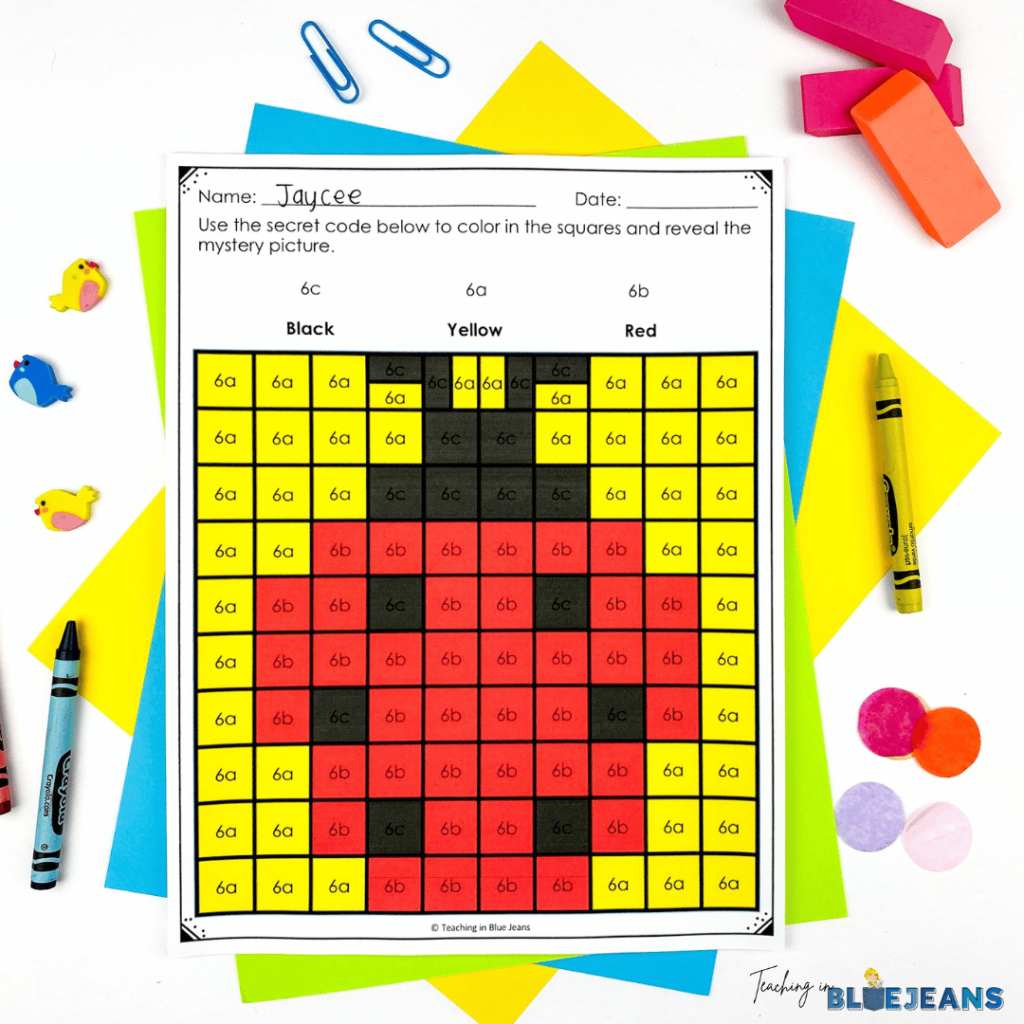
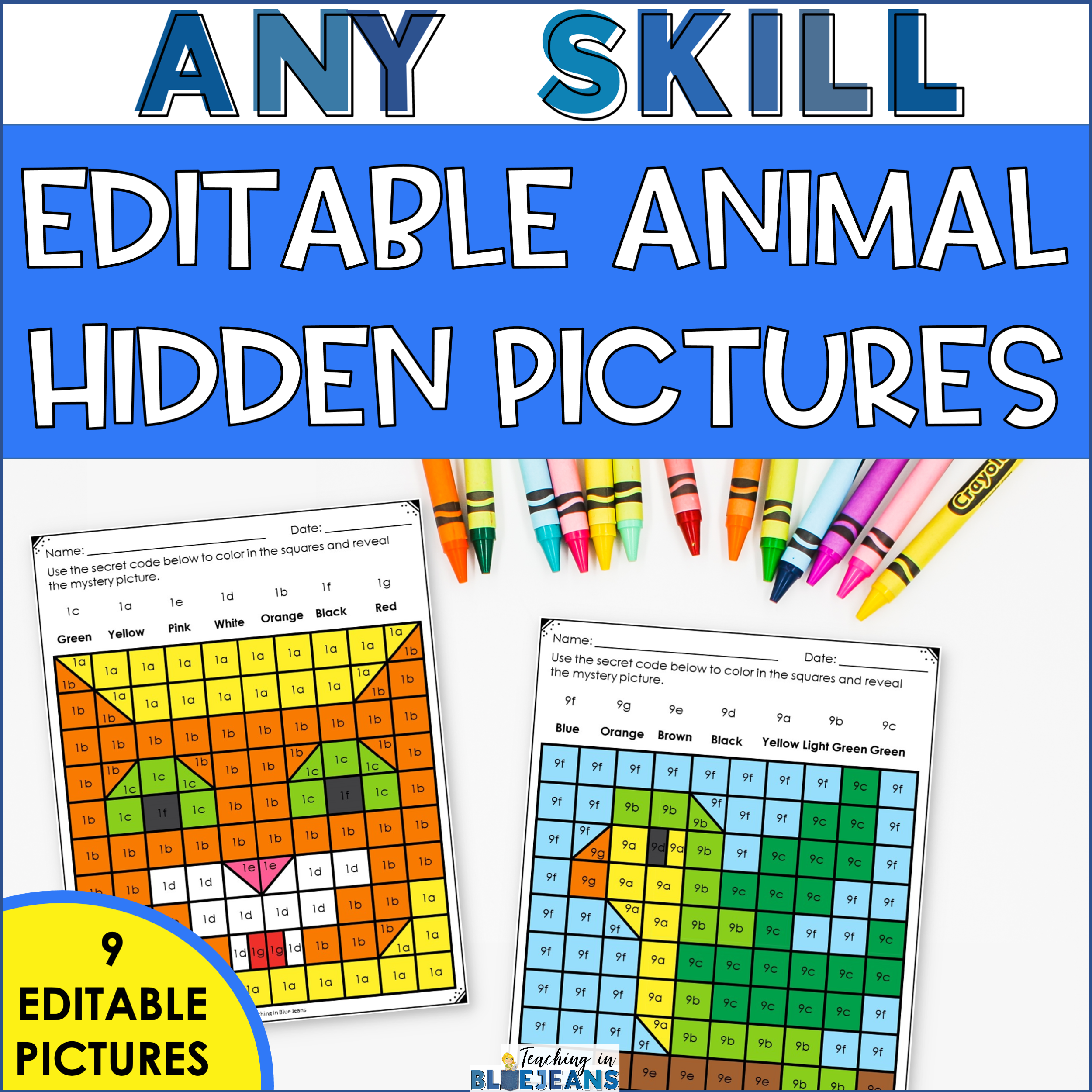
Puzzles are a great way to encourage your students to keep going and practice perseverance. Completing a large puzzle takes dedication! Hidden Picture Mystery Puzzles are a wonderful, low-prep way to do that in the classroom. I have them in both printable and digital options, so you can choose what works best for your students. The idea here is that kids will color in the picture according to the code. When it’s complete a hidden picture will be revealed! These activities feature a lot of small boxes, so students must use perseverance to stay focused through the entire activity. But if they do, they will get the payoff of seeing that hidden picture!
The great thing about my Hidden Picture Puzzles is that you can use them to facilitate any skills practice you’d like. Each one is editable so you can fill it with sight words, letters, numbers, math skills, and more. The options are truly endless. Check out the Holiday Hidden Picture Bundle if you’d like to use these challenging activities all year long!
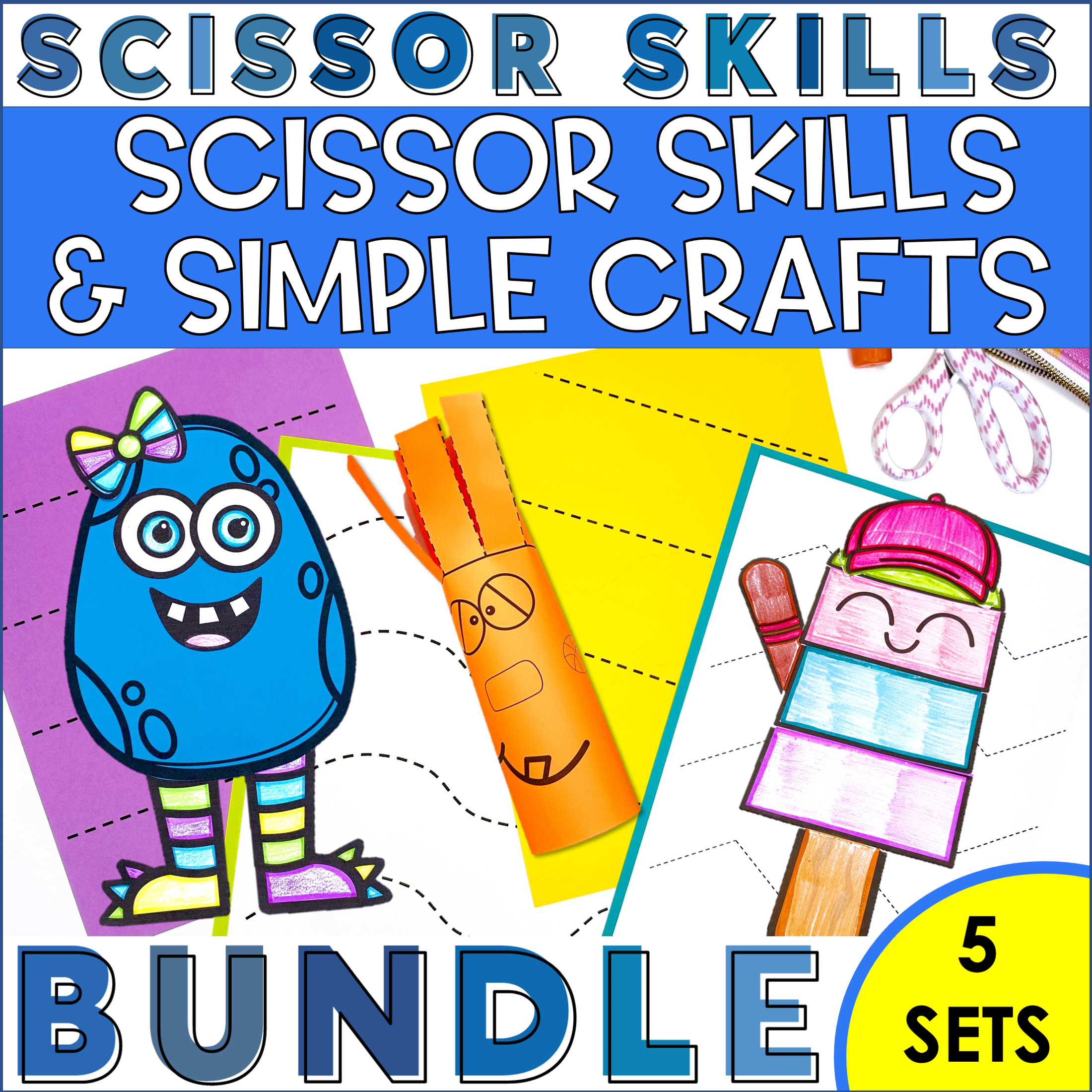
If you have students who are a bit younger and need to work on fine motor skills, I’ve got another great idea to work on perseverance in your room. I think we can all agree that learning a new skill is sometimes difficult. We might get frustrated. We might want to give up. This is certainly true when new learners are developing scissor skills in the classroom. I have seen students struggle to cut on the lines, cut too much, or not what they meant to and decide to give in and give up before they finish.
This is very much like the Marshmallow Experiment, don’t you think? The kiddos who allowed their temptation to take over were only able to enjoy one delicious marshmallow. But, the kids who persevered were rewarded with another. I like to use this same concept in practicing scissor skills in the classroom. Except instead of a delicious marshmallow, the reward is a fun craft.
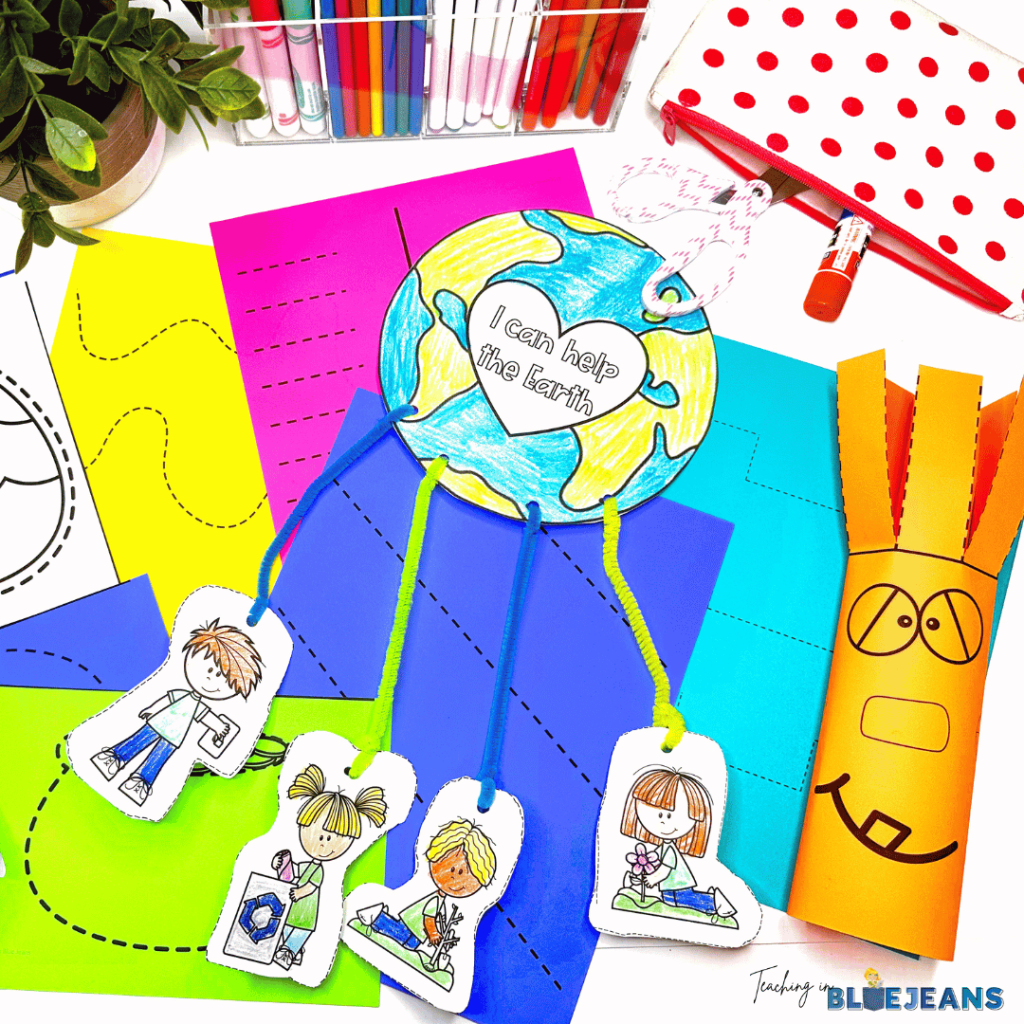
Here’s how it works – I use the activities in this bundle to practice the basics first. Cutting on straight lines, then curved lines, zig-zags, and more. I ask that students cut slowly and try to get as close to the actual line as possible. Once they’ve done a few of these activities and mastered the lined pages, they are rewarded with a surprise cutting craft that everyone loves to complete. To help motivate the students to keep going and use a slow, controlled hand with the scissors, I remind them about the fun, secret craft just waiting for them once they master the lines!
This can be done during a block of cutting practice time, or by having students turn in their cutting pages for evaluation over the course of the week. No matter what you choose, this is a fun challenge to encourage students to persevere and try their very BEST! Everyone is excited to craft once they are “ready” and have put in the practice work. My Year Long Bundle of Scissor Skills Crafts is perfect because it includes seasonal pages with lines as well as a variety of fun crafts to use all year long. Add this to your routine and watch as your students develop this important skill.
You might not be quite ready to complete these activities. Or maybe you just want to save time looking for a video. Whatever the reason, just pin this to your favorite classroom Pinterest board so you can quickly come back.